
Los Angeles Retail Market Bifurcates as Prime Corridors Thrive and Immigrant Districts Struggle
Los Angeles retail real estate is experiencing a sharp divergence between prime corridors and neighborhood commercial districts. According to brokerage data from Matthews, regional retail investment sales volume climbed 40 percent in the second quarter, driven largely by grocery-anchored properties and luxury enclaves. Occupancy across grocery-anchored centers reached 95 percent in the spring, underscored by high-profile deals including a $108 million center transaction in Torrance.
Prime corridors face severe supply constraints, with only 600,000 square feet of retail currently under construction across the city of Los Angeles—representing 0.1 percent of total inventory. In luxury hubs like Beverly Hills' Rodeo Drive, rents have jumped 50 percent since 2019, reaching as high as $1,400 per square foot annually. Corridors across Venice Beach, Redondo Beach, and Manhattan Beach are similarly seeing aggressive tenant competition.
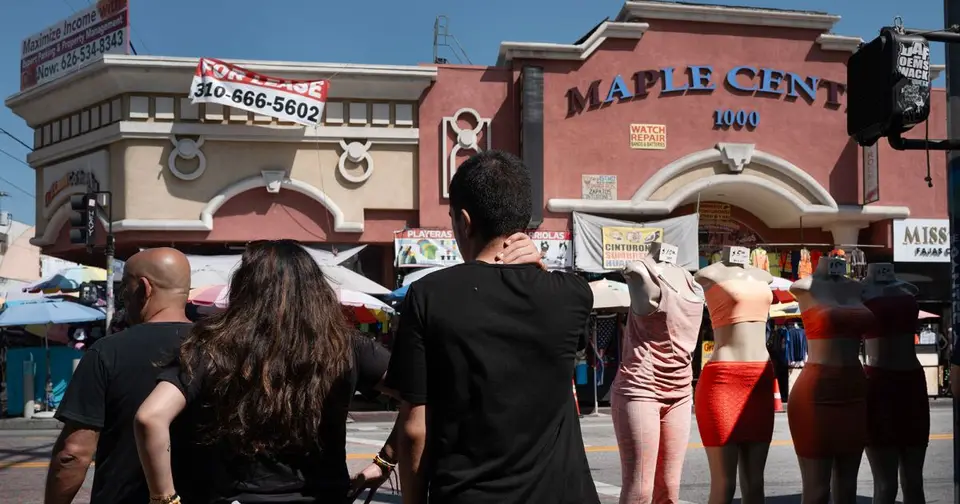
Conversely, immigrant-heavy commercial districts are experiencing prolonged distress. A UCLA report indicated that federal immigration enforcement operations in mid-2025 resulted in an estimated $52 million in countywide Latino business revenue losses within two weeks, depressing foot traffic and leaving many small retailers struggling with debt.
For investors and retail developers, tenant credit and micro-location dynamics remain paramount as capital concentrates exclusively in necessity-anchored and affluent coastal corridors.
More from Los Angeles
· Los Angeles, California
Affordable Tower Rises at 21155 Califa Street in Warner Center
· Los Angeles, California
Four-Story Affordable Housing Project Proposed in East Hollywood
· Los Angeles, California
Nithya Raman Wins Los Angeles Mayoral Race With Housing Agenda
· Los Angeles, California
Raman Wins Los Angeles Mayoral Race on a Housing Platform
· Los Angeles, California
Excavation Begins on 45-Unit Affordable Project in Hollywood
More in California
· Santa Monica, California
Tishman Speyer Unveils Plans for 110-Unit Santa Monica Apartment Tower
· San Francisco, California
Four-Story Infill Filed at 1037 14th Street in Corona Heights
· Newport Beach, California
Artemis Buys Newport Beach Senior Living Community From Ventas Affiliate
· Oakland, California
New Permits Refile Four-Home Project on Coolidge Avenue in Oakland
· Industry, California
Developer Pitches Data Center and Nine-Hole Golf Course at Former Country Club Site in City of Industry