
New York City Housing Court Delays Impede Redevelopment and Economic Occupancy
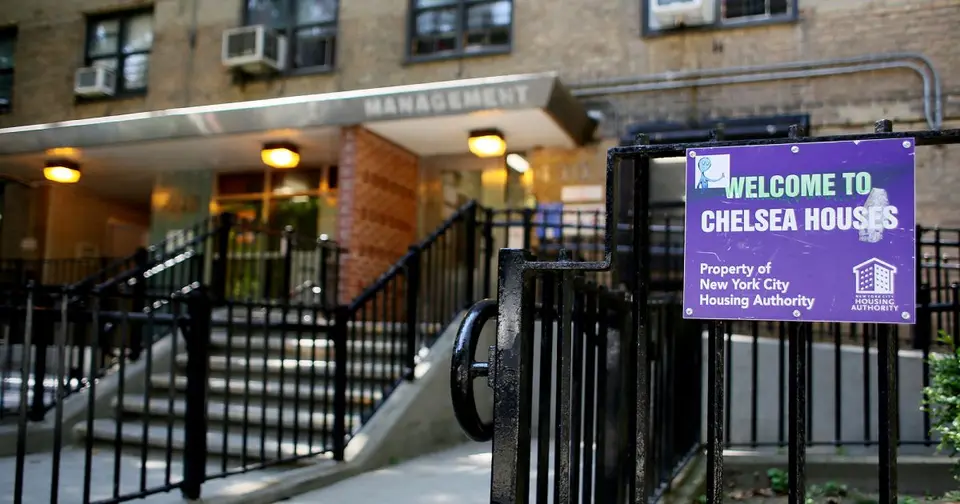
The New York City Housing Authority (NYCHA) is confronting significant delays in its plans to redevelop 2,056 aging apartments and add new homes at its Fulton and Elliott-Chelsea campuses. This situation, where residents challenge redevelopment and holdouts impede progress, mirrors the challenges faced by private multifamily owners across the city. The city's Housing Court, with only 50 judges serving all five boroughs, handles a massive caseload, including 95,226 nonpayment cases filed in 2025.
Industry analyses indicate that Housing Court cases can take approximately 15 months to resolve. For property owners, this delay translates into substantial economic costs, including 15 months of lost rent, property taxes, insurance, maintenance, and mortgage payments. Construction financing does not pause, and developers cannot proceed with demolition or construction without full control of a building. This prolonged legal process effectively makes units "economically impaired" even if physically occupied, distorting the city's reported 1.4 percent apartment vacancy rate.
The city, which is investing $22 billion in affordable housing, is now experiencing the direct impact of these delays on its own projects. The article argues for structural reforms to the Housing Court, such as increasing the number of judges, attorneys, clerks, and technology resources, and potentially retaining experienced judges beyond the mandatory retirement age. A more efficient court system is crucial for both owners and tenants, and for the city's broader housing and economic health.
More from New York
· New York, New York
Danny Meyer’s Hospitality Group Leases 8,000 SF in Greenwich Village
· New York, New York
Bestseller Renews 7,400-SF SoHo Office and Showroom Lease at 96 Spring Street
· New York, New York
Five Midtown Office Leases Signed at 39 West 37th Street
· New York, New York
Japanese Pub Chain Shin Jidai Signs East Village Lease for First U.S. Store
· New York, New York
Vornado Acquires 13-Story Medical Office Building Near Grand Central for $28M
More in New York
· Bronx, New York
School Construction Authority Buys Bronx High School Building for $22.4M
· Brooklyn, New York
Metis Equities Buys Brooklyn Apartment Building at 100 Lenox Road for $52M
· Yonkers, New York
CubeSmart Nears Completion of 949-Unit Self-Storage Facility in Yonkers
· Brooklyn, New York
Brooklyn Development Site Beside Fatal Collapse Had Prior Safety Citations
· Far Rockaway, New York
Rockaways Rebuild Decades of Neglect With New Housing and Resilience Projects