
Mixed-Use Districts Should Be Built Around Local Strengths, Not Templates
Gensler director Erin Saven argues that mixed-use developments have become too formulaic, with the same mix of office, residential, retail, hospitality and public space repeated across cities regardless of local context. She says the next generation of these districts should instead be built around what each city already does well.
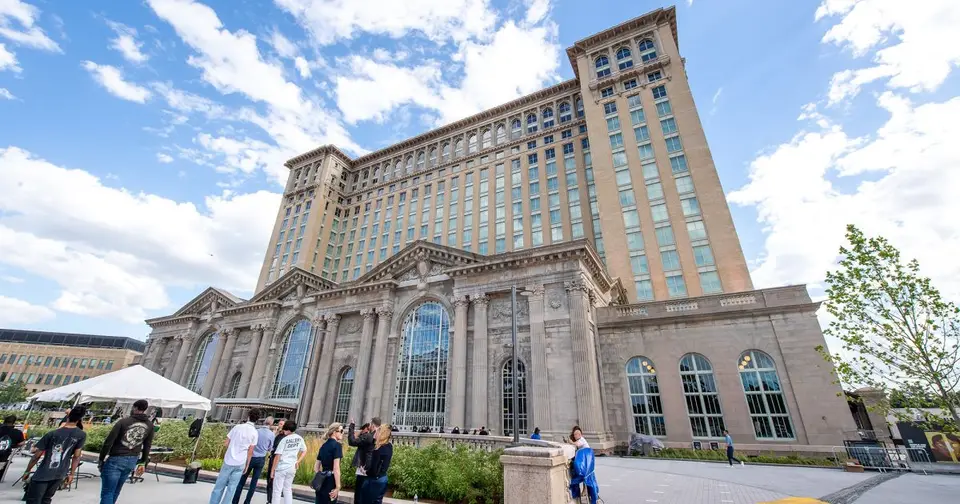
Her main example is Michigan Central, a 30-acre technology and cultural hub in Detroit's Corktown neighborhood. Anchored by the restored Michigan Central Station, the district was initially funded and anchored by Ford. It now hosts Google, Newlab, Henry Ford Health, Cummins, more than 150 startups, and nearby universities. The focus is on mobility, manufacturing and engineering, with shared workspace, testing infrastructure and programming that help organizations move from ideas to implementation.
Saven recommends that developers begin with a diagnosis of local industries, institutions and talent before setting a program. She also urges measuring outcomes beyond foot traffic and occupancy, such as new partnerships and research moving into real-world testing, since these signal lasting value and can give tenants stronger reasons to stay.
Practical implication: underwriting mixed-use projects may need to account for ecosystem programming and shared infrastructure, not just the leasing mix.
More from Detroit
More in Michigan
· Kalamazoo, Michigan
River Caddis and Standard Open 228-Unit Affordable Development in Kalamazoo
· Delhi Township, Michigan
Proposed 700MW Data Center Campus Near Lansing Draws Township Opposition
· Troy, Michigan
MMCC Arranges $25M Loan for Troy, Michigan Retail Acquisition
· East Lansing, Michigan
Law Firm Leases 45,000 SF in East Lansing’s Headquarters 2 Building
· Grandville, Michigan
Eleven New Tenants Secure Leases at RiverTown Crossings Mall in Grandville