
From Site to Go/No-Go Decision in Six Stages
A structured workflow powered by AI trained on jurisdiction-specific zoning, hazard, and entitlement data.
Six stages. One decision.
Each stage builds on the last. By the time you reach a go/no-go view, every signal is reconciled.
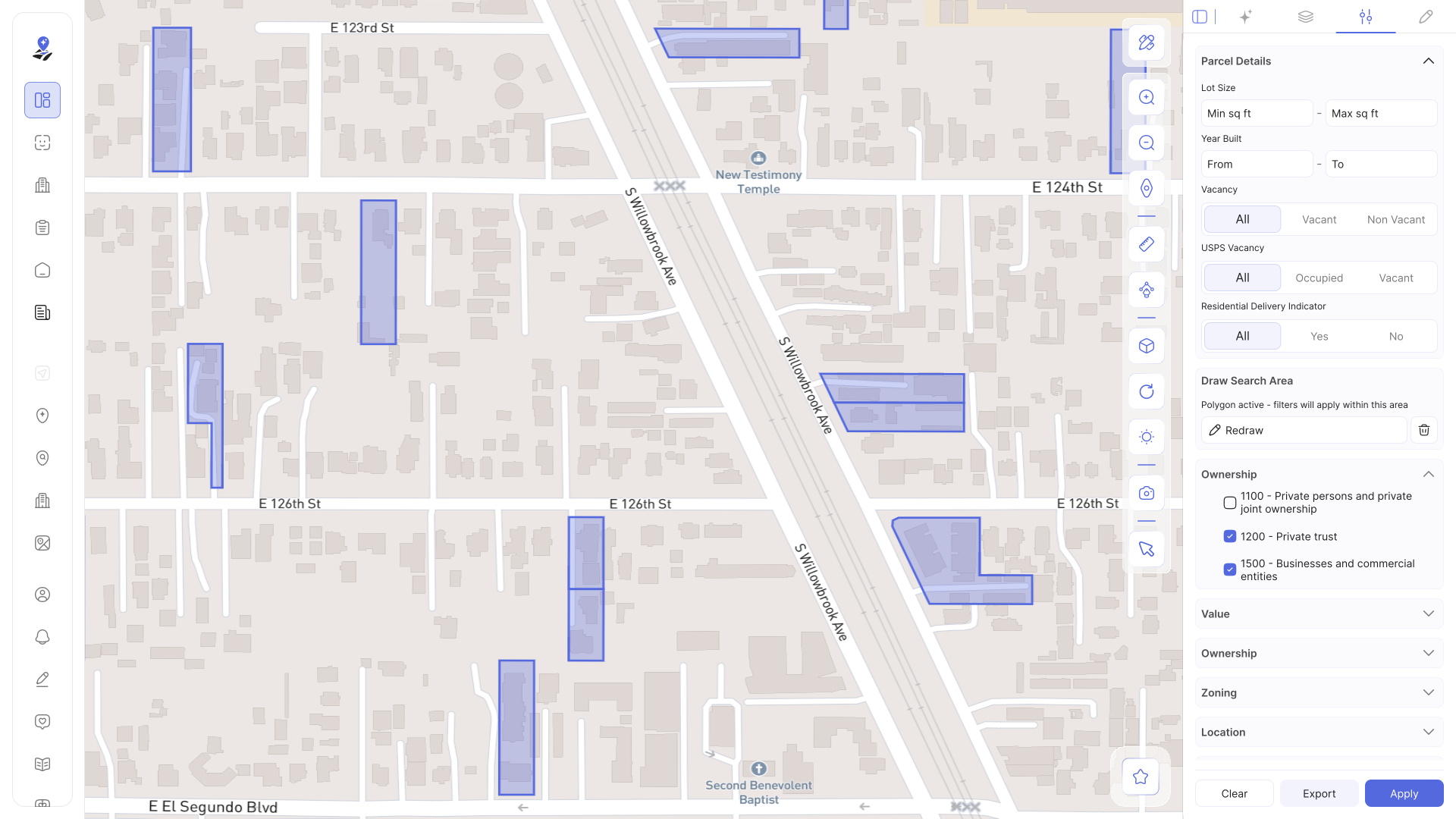
Filter the noise. Find the candidates.
Define your criteria - geography, zoning, parcel size, hazard exposure - and ArchiWise narrows thousands of parcels into a focused, ranked candidate list.
- Filtered parcel set
- Ranked match scores
- Exportable shortlist
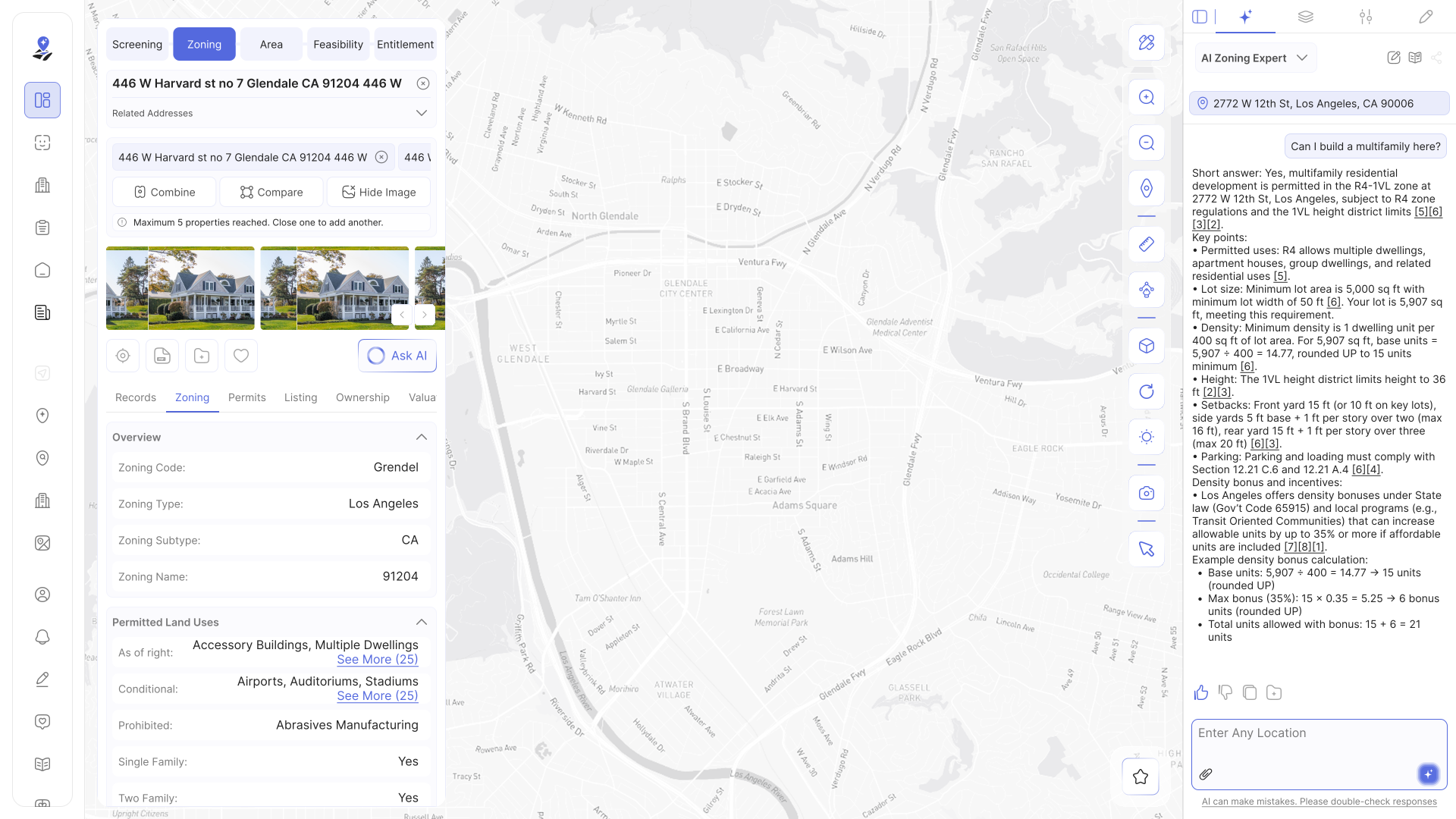
Plain-language answers from dense legal code.
ArchiWise reads the parcel's full zoning context - base district, overlays, special plans - and returns clean, sourced answers instead of raw ordinance text.
- Allowed uses & dimensions
- Overlay & special-plan flags
- Citations to source code
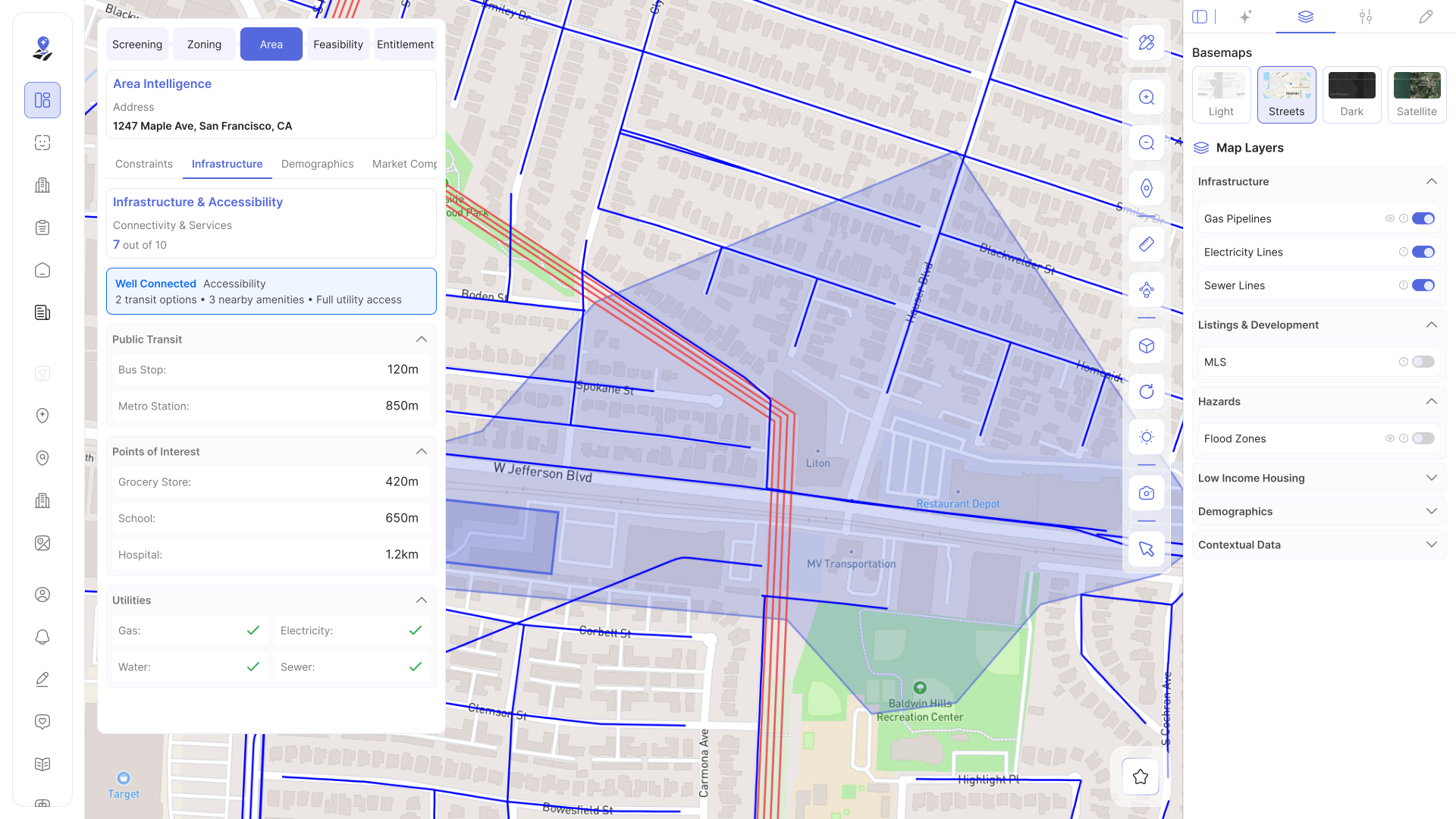
Surface what surrounds the parcel.
Hazards, demographics, transit, incentive eligibility, and market comps - layered around the site so you see what amplifies or suppresses long-term value.
- Hazard & risk overlay
- Demographic & market signals
- Incentive eligibility flags
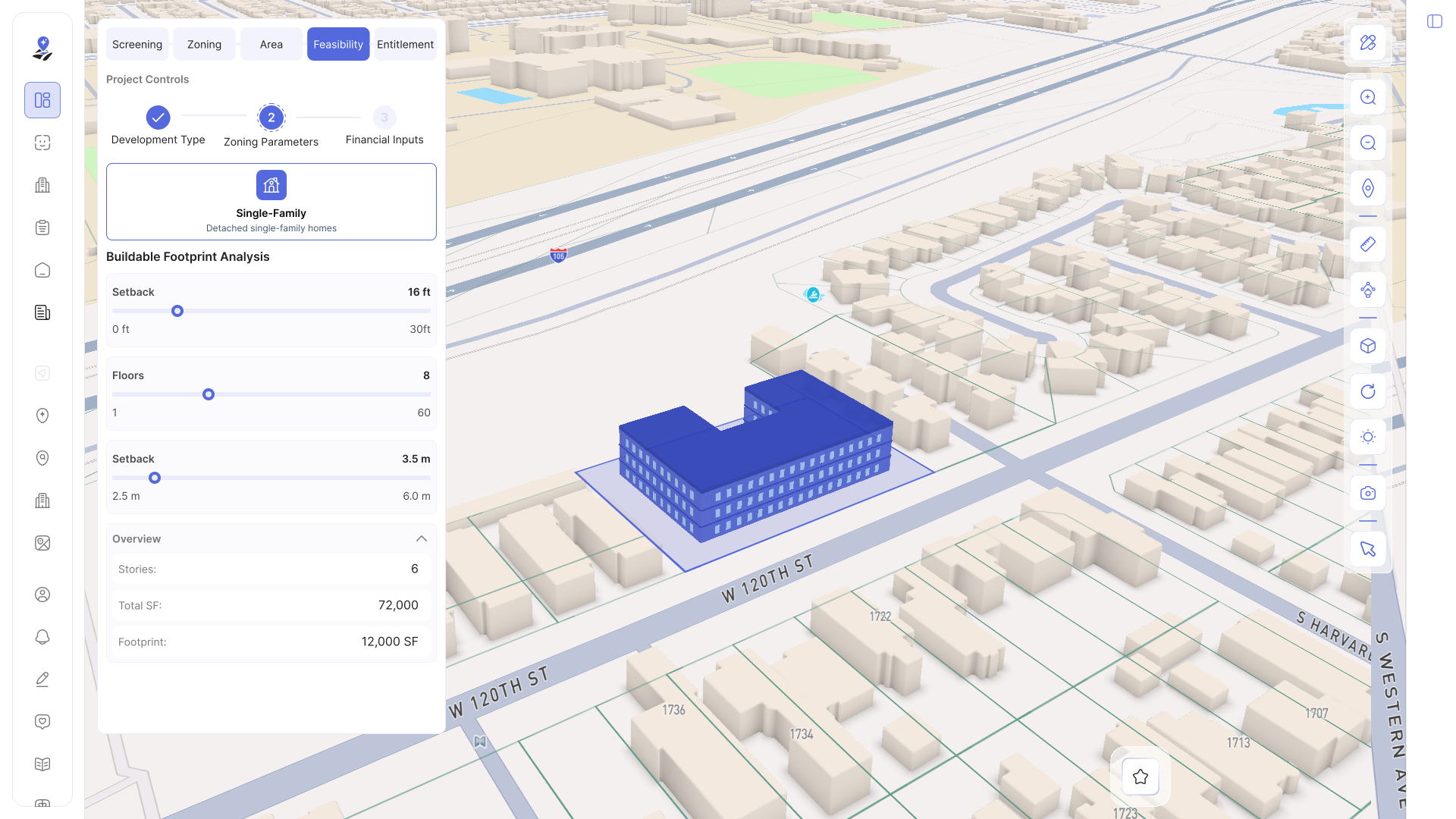
Test what the site can actually hold.
Model envelope, unit count, and program mix against zoning and site constraints. Compare scenarios in minutes, not weeks.
- Envelope & FAR analysis
- Unit / program scenarios
- Yield comparisons
Learn from how the city actually decides.
Comparable projects, approval timelines, conditions, and opposition patterns - drawn from historical hearings, not just written rules.
- Comparable project timelines
- Approval likelihood signals
- Common conditions & risks
One clear recommendation, fully sourced.
All five layers compress into a single decision view: key metrics, risk flags, and a clear recommendation you can defend to your IC.
- Decision summary card
- Risk flag inventory
- Source-traceable rationale
Why generic AI isn't enough - and what we built instead.
A general-purpose model can't read a zoning ordinance the way a planner does. ArchiWise is built around grounded retrieval, jurisdiction-specific knowledge, and parcel-level reasoning.
RAG Architecture
Retrieval-augmented generation grounds every answer in actual source documents. No hallucinated zoning.
Jurisdiction-Specific
We index codes city-by-city, including overlays, amendments, and special plans - not a generic national model.
Parcel-Aware Reasoning
Answers are computed in the context of a specific parcel's geometry, zoning stack, and surroundings.
Cross-Reference Logic
Municipal, county, state, and federal layers are reconciled automatically so nothing slips between sources.
Guardrails & Testing
Every model output is checked against ground-truth datasets and human-reviewed benchmarks before release.
Multi-Source Synthesis
Codes, GIS, hazards, demographics, and entitlement history are synthesized into one coherent answer.
Built on official, authoritative data.
Every output is traceable. We rely on official municipal codes and government datasets - never scraped third-party summaries.
See the workflow on your next site.
Start every deal with a sourced, structured analysis - from screening to go/no-go.