
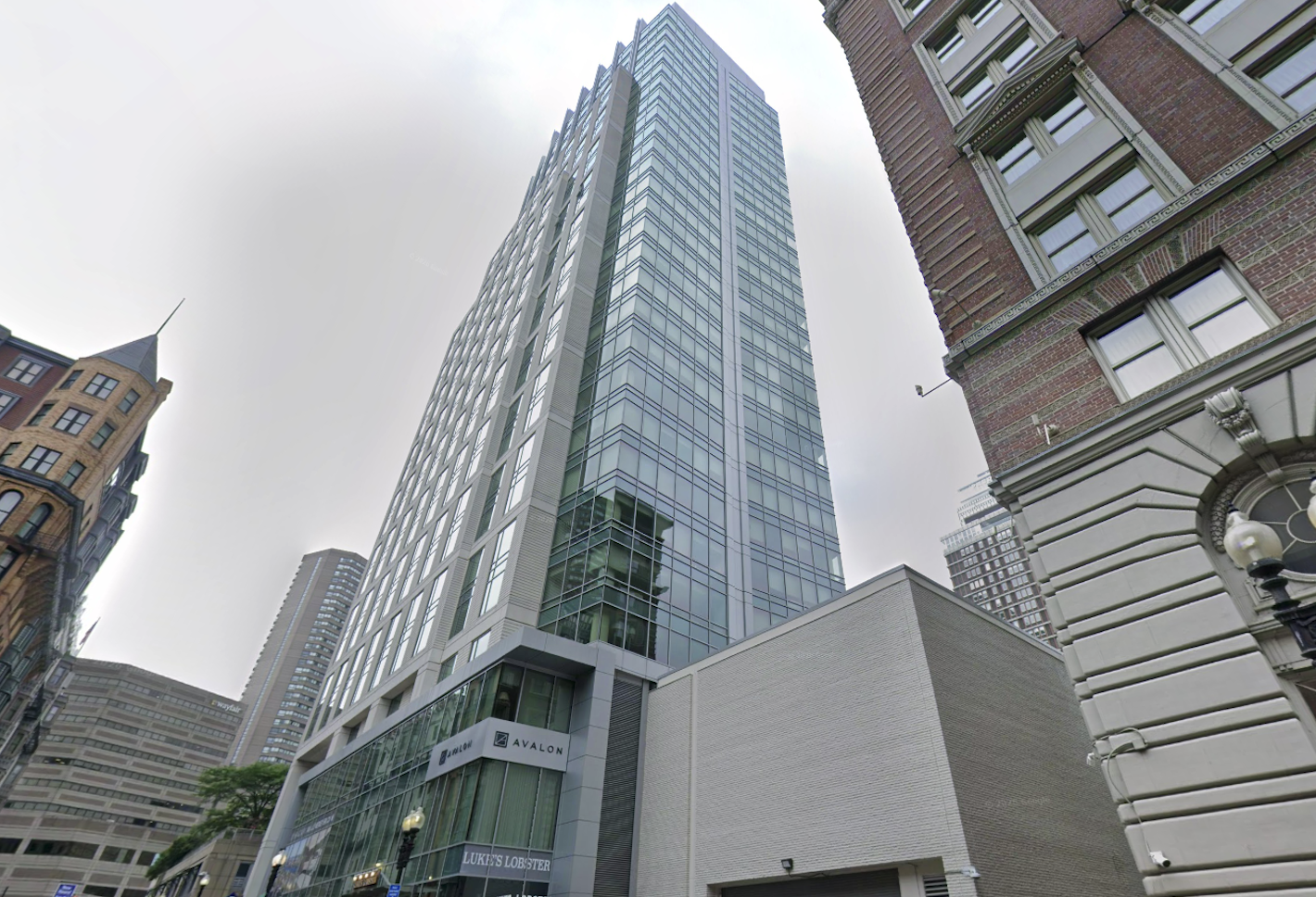
Boston Developers Halt High-Rise Multifamily Projects Amid Soaring Costs and Stagnant Rents
Boston's landscape, reshaped by a surge of high-rise multifamily towers over the past 15 years, is now experiencing a significant shift away from this development type. Developers are increasingly abandoning urban high-rise projects in favor of low-rise construction in suburban areas, a trend driven by escalating construction costs and a flattening rental market across Greater Boston.
At a recent industry conference, developers from companies like Vivmark Residential and The Procopio Cos. indicated that high-rise development is currently unfeasible. David Gillespie of Vivmark, formed by the merger of AvalonBay and Equity Residential, noted that the city might have built its last high-rise towers for the next decade. Michael Procopio stated that high-rise residential development "doesn't pencil" given current costs, which can reach up to $1 million per unit for projects in Boston, according to Carmel Partners' Lee Bloch.
This marks a reversal from the last decade, when 55% of new Boston apartment projects were high-rise. Since early 2024, only five high-rise multifamily buildings have been completed in Greater Boston, compared to 47 garden-style and 88 mid-rise developments. Overall housing unit permits in Boston have also declined. While state and local officials, including Mayor Michelle Wu, are attempting to streamline regulations and offer incentives, developers suggest these measures often fall short of making high-rise projects financially viable. The Massachusetts Environmental Policy Act (MEPA) review process is also cited as a cost hurdle.
The practical implication for developers is a continued focus on smaller, less costly projects, primarily outside the urban core, until economic conditions or significant policy shifts make high-rise construction viable again.
More from Boston
More in Massachusetts
· Shrewsbury, Massachusetts
Equus Capital Partners Acquires 300,075 SF Industrial Development in Shrewsbury, Massachusetts
· Cambridge, Massachusetts
Tourbineau Real Estate Partners Plans Major Office-to-Residential Conversion in Cambridge
· Cambridge, Massachusetts
Blitzy Secures Cambridge’s Largest Office Lease of the Year, Signaling AI Sector Growth
· Andover, Massachusetts
Hendrie Lane Capital Acquires $43.5M R&D and Manufacturing Property in Andover
· Lexington, Massachusetts
Dinosaur Capital Lands $48M Construction Loan for Lexington Multifamily Development